
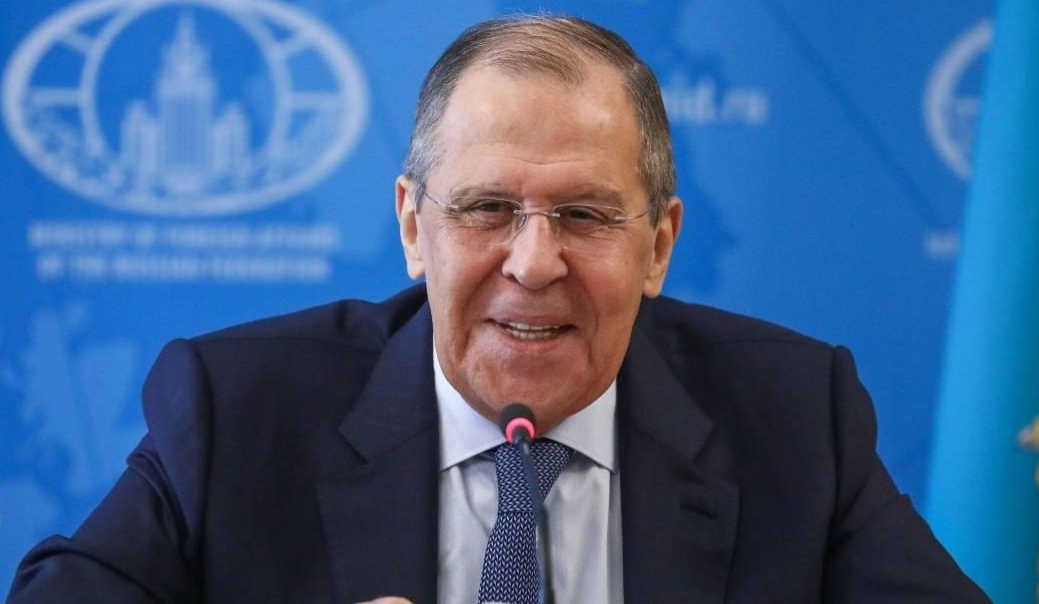
Russia’s Foreign Ministry issued a strong statement after the UN Security Council vote on extending the JCPOA mandate, accusing the US, UK, France, and Germany of undermining diplomacy and rejecting snapback claims while stressing that Resolution 2231 remains valid until October 2025
Russia Slams West Over UN Security Council Vote on JCPOA Extension
On September 26, the United Nations Security Council (UNSC) voted on a draft resolution jointly prepared by Russia and China, aimed at technically extending the mandate of the 2015 Joint Comprehensive Plan of Action (JCPOA) and the accompanying Resolution 2231 for another six months. The proposed extension sought to provide more time for diplomatic engagement on Iran’s nuclear program and prevent further escalation of tensions in the Middle East.
The Russian Foreign Ministry released a detailed statement following the vote, emphasizing that the resolution underlined the importance of diplomacy and dialogue. According to Moscow, the draft was designed to create space for continued negotiations between all JCPOA participants and to support the implementation of agreements already in place.
The resolution also welcomed the September 9 agreement signed between Iran and the International Atomic Energy Agency (IAEA) in Cairo, which was seen as a constructive step forward in nuclear transparency and monitoring.
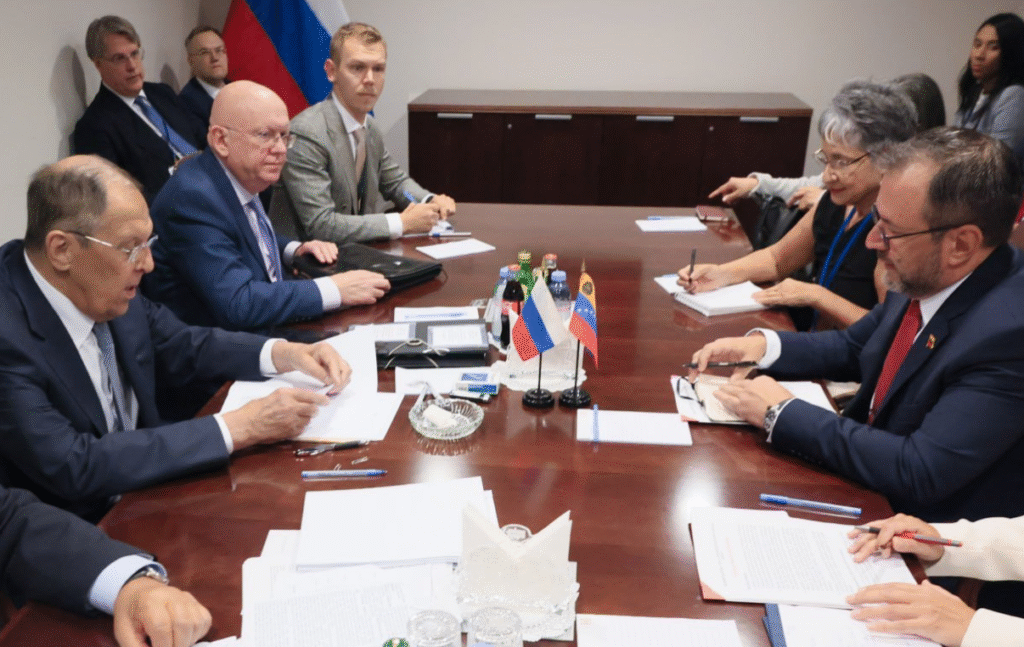
A central element of the Russian-Chinese proposal was an urgent call for all original JCPOA participants to resume negotiations on issues related to Resolution 2231 without delay. Moscow stressed that the rapid escalation of tensions surrounding Iran’s nuclear activities made such a diplomatic push not only timely but indispensable.
Russia expressed gratitude to Algeria and Pakistan for their strong and active support of the resolution. It also noted the independent stance of the Republic of Korea and Guyana, which refrained from voting against the draft despite, as Russia alleged, significant external pressure.
However, the draft resolution was met with resistance from Western powers. The United States, the United Kingdom, France, and Germany opposed the initiative, arguing instead for a tougher stance against Tehran. Russia criticized these countries for what it described as a deliberate path of escalation. The Foreign Ministry accused them of relying on illegitimate methods to reinstate UN sanctions against Iran—sanctions that were lifted nearly a decade ago under the JCPOA framework.
Moscow argued that this rejection of diplomacy in favor of provocation, pressure, and threats undermines the credibility of the international security system. The Russian statement claimed that Western powers had exerted cynical pressure on non-permanent members of the Security Council in an attempt to force them into supporting a flawed and opportunistic approach.
The Foreign Ministry further insisted that the use of force in addressing nuclear non-proliferation concerns must be excluded. Such methods, Moscow warned, are counterproductive and dangerous, with the potential to escalate disputes into uncontrollable conflicts with tragic and irreversible consequences.
In its statement, Russia also accused the supporters of a “maximum pressure” campaign against Iran of attempting to deflect blame for past incidents, including the June attacks on Iran’s nuclear facilities that were under IAEA safeguards. Moscow suggested that Western states view progress in cooperation between Iran and the IAEA as an obstacle to advancing their anti-Iran narrative. The Foreign Ministry claimed this was not the first time European countries had acted to undermine agreements between Tehran and the international nuclear watchdog.
The statement went further, asserting that the United Kingdom, France, and Germany had inflicted damage not only on the nuclear deal itself but also on their own credibility by violating Resolution 2231 and bypassing agreed procedures. Russia noted that their appeal in New York on August 28, which sought to trigger the so-called “snapback” mechanism, and the alternative resolution submitted on September 19, failed to meet the stringent legal requirements of Resolution 2231.
As a result, Moscow firmly rejected the notion that the snapback of UN sanctions on Iran has been legally triggered. According to Russia, Resolution 2231 and the JCPOA remain fully in force and valid until October 18, 2025. The statement stressed that the UN Secretariat has neither the mandate nor the authority to reinterpret or deviate from the provisions of the resolution.
The Russian Foreign Ministry’s declaration highlights the widening rift between Moscow and Beijing on one side, and the United States and its European allies on the other, over how to address Iran’s nuclear program. While Western capitals continue to push for punitive measures, Russia and China are positioning themselves as defenders of dialogue and diplomacy, accusing their counterparts of destabilizing the international system.
With just over a year left before the JCPOA framework and Resolution 2231 expire in October 2025, the global community faces renewed uncertainty. Whether meaningful negotiations can resume or the conflict intensifies will depend on the willingness of all parties to engage in constructive diplomacy rather than confrontation.
Disclaimer:
This article is based on the official statement released by the Russian Foreign Ministry regarding the UN Security Council vote on the JCPOA extension. The views, allegations, and claims mentioned reflect the position of the Russian government and not necessarily those of this publication. Readers are encouraged to consult multiple sources for a comprehensive understanding of the issue.